If you own a lot in Port Malabar Units 51, 52, or 53 — known as "The Compound" — this post is written specifically for you. Here's an honest update on where things stand in 2026, what infrastructure plans mean for your holding costs, and what your options are.
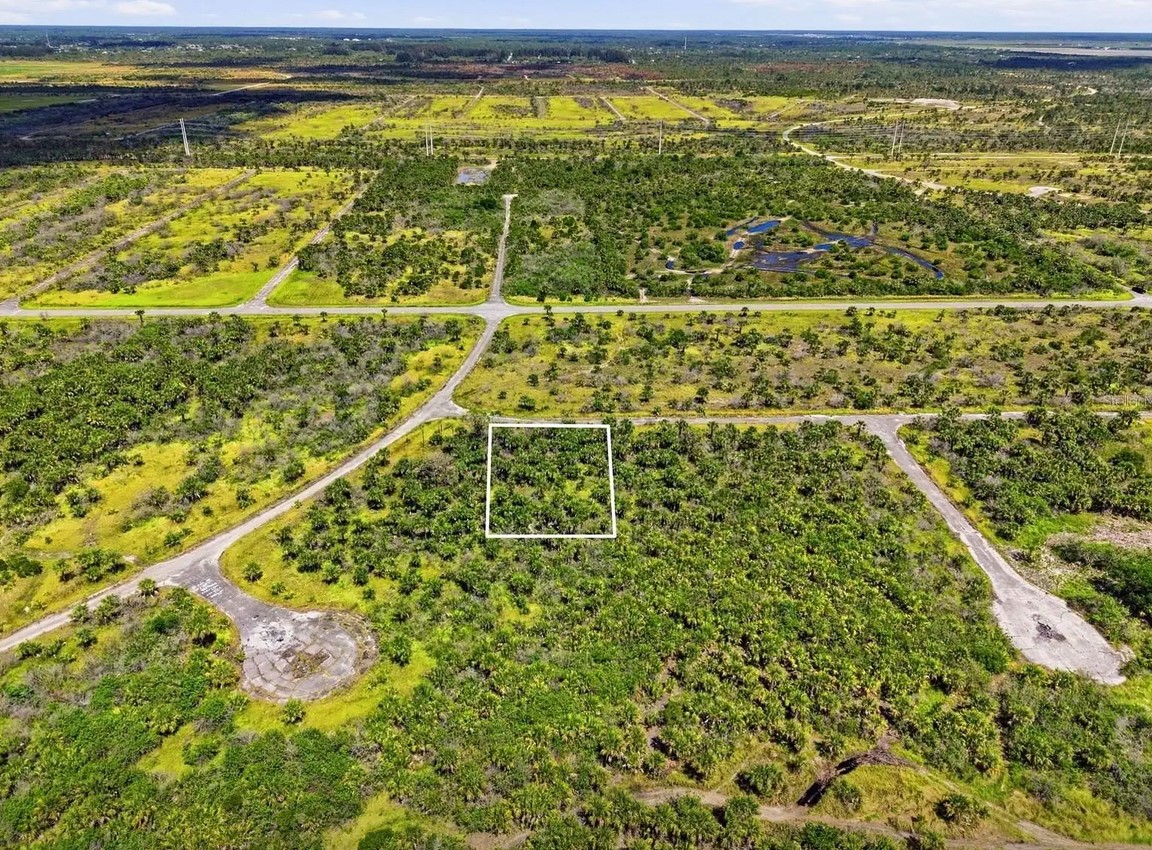
Aerial view of The Compound — Port Malabar Units 51, 52, and 53 — where roads were platted in the 1970s but utilities never arrived.
Who Owns The Compound?
You are not alone. The compound contains approximately 4,978 parcels across 2,492 acres, owned by over 2,755 individual property owners. Many of those owners — perhaps like you — purchased their lot years or even decades ago, are located out of state or out of the country, and have been holding and waiting ever since.
The area has been largely undeveloped since General Development Corporation (GDC) originally platted the lots in the 1970s and went bankrupt in 1991 — leaving behind roads but no water, sewer, or electrical infrastructure. That situation has remained largely unchanged for over 50 years.
Until recently.
What Is Actually Happening Now
For the first time in decades, there is meaningful activity surrounding the compound. Here's what's real and verified:
EPA Land Revitalization Study (2024-2025)
The City of Palm Bay secured a $100,000 technical assistance grant from the U.S. Environmental Protection Agency specifically focused on Port Malabar Unit 53. This study will produce an action plan to encourage economic development in the area. This is real progress — but it is a study, not a construction commitment.
$1.5 Million Brownfields Assessment Grant
The compound has been named a priority site in a $1.5 million brownfields assessment grant awarded to the Resilient Corridors Coalition. This funds the environmental and land use assessments that must happen before any development can occur.
Port Malabar Industrial Study
The northern section of the compound has been studied for potential industrial designation — "Port Malabar Industrial." No zoning change has occurred, but the city has invested significant resources in studying the area's potential.
What this means for you as a current owner: These studies are real signs of progress. They represent more government attention on this area than at any point in the past 50 years. However, they are studies — not approved plans with funded construction timelines. The honest reality is that no one can tell you exactly when infrastructure will arrive.
The Assessment — What You Need to Understand
This is the part that every compound lot owner needs to clearly understand before making any decisions.
If and when the city brings utilities to the compound, the cost will not be absorbed entirely by taxpayers. Historically, the City of Palm Bay has funded infrastructure expansion through bonds — borrowing money, completing the work, and then recovering costs from property owners through special assessments.
You saw this happen in Unit 31 when the city brought city water to that area. Property owners were assessed a fee proportional to their lot size. That assessment was spread over a period of years — typically 10 to 20 years — and added directly to property tax bills.
Streets like Kentucky Drive are platted and named — but most parcels in the compound still lack water, sewer, and power.
What this means practically: If infrastructure comes to the compound, you will likely receive an assessment notice requiring you to pay your proportional share of the cost — whether you asked for it or not, whether you plan to build or not, and whether you live in Florida or not.
For a quarter-acre lot, that assessment could be a meaningful cost spread over many years. The exact amount would depend on the scope of infrastructure installed and the total number of parcels sharing the cost — numbers that are not yet known because no plan has been finalized.
This is not meant to alarm you — it is information you need to make an informed decision about whether to continue holding your lot or explore your options now.
Your Options as a Current Owner
Every compound lot owner is in a different situation. Here are the realistic options:
Option 1 — Continue Holding
If you purchased your lot as a long-term investment and are comfortable with the possibility of a future assessment, holding may make sense. The planning activity happening now suggests the area's trajectory is improving. Patience has always been required for compound lots — and may continue to be required.
Option 2 — Build Now
A small number of homes have been successfully built in the compound using well and septic for water and waste, and by extending power poles from nearby infrastructure in Unit 49. This is possible for some lots — particularly those close enough to existing power lines. It requires upfront investment and planning but has been done.
Option 3 — Sell Before the Assessment
If you are an out-of-state or out-of-country owner who does not plan to build, and the prospect of a future assessment concerns you — this may be the right time to explore selling. The market for compound lots exists. Buyers who understand the area and its long-term potential are actively looking.
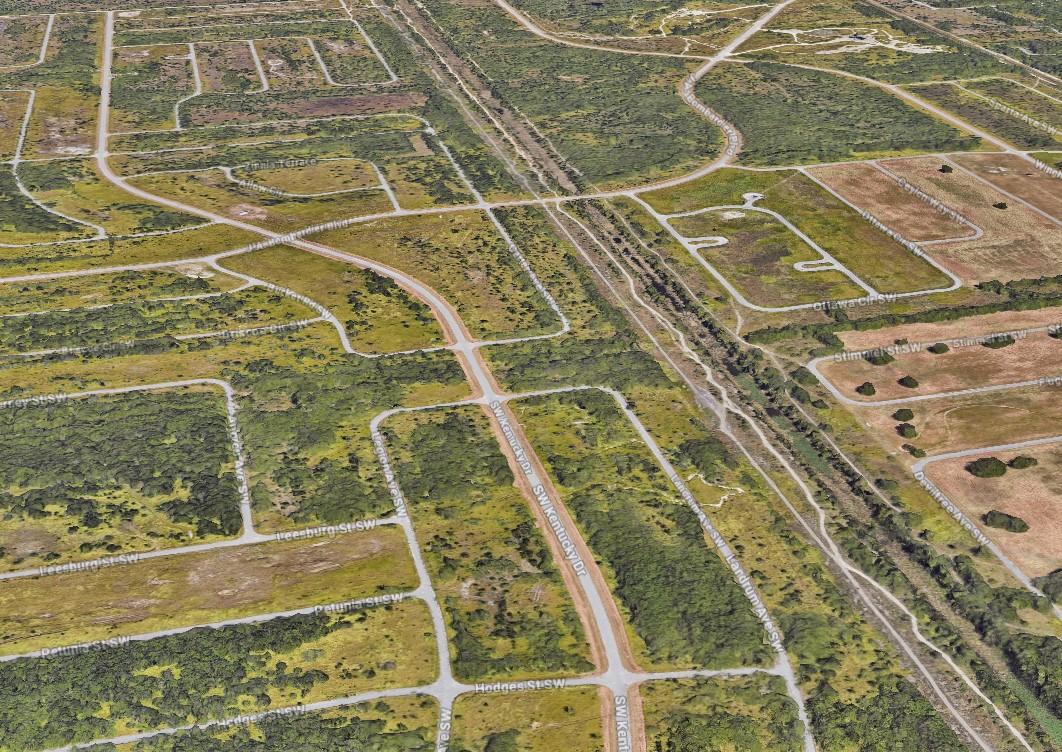
The Compound covers roughly 2,492 acres of platted parcels — one of the largest blocks of undeveloped urban land in Brevard County.
If you are thinking about selling your compound lot — call me. I have been selling land in Palm Bay since 2003 and have extensive experience with compound lots specifically. I can give you an honest assessment of what your lot is worth in today's market and what your realistic options are.
📞 321-333-7230
✉️ vahid@palmbayland.com
The Bottom Line for Current Owners
The compound is finally getting real attention from the city and state after more than 50 years of inactivity. That is genuinely good news for the area's long-term trajectory.
At the same time, infrastructure will come with costs for lot owners — and those costs are uncertain in timing and amount.
If you are holding a compound lot and wondering what to do, the most important thing is to make an informed decision based on accurate information — not fear, and not false optimism.
I have been navigating this market for over two decades. I will give you straight answers.
Call or text me anytime: 321-333-7230
Or visit: palmbaylots-land.com
Vahid Rajabian is a licensed Florida Real Estate Broker Associate with M. David Moallem, Inc. He has been selling lots and land in Palm Bay and Brevard County since 2003, including significant inventory in the compound area.
Sources: City of Palm Bay Compound Update (palmbayfl.gov), EPA Land Revitalization Technical Assistance Program, Resilient Corridors Coalition Brownfields Assessment Grant.