
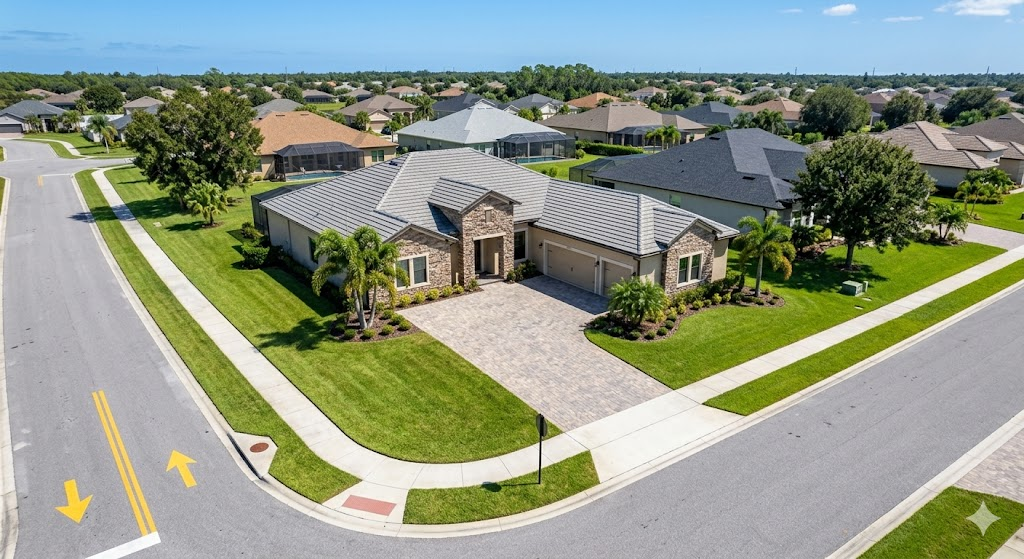
When buyers hear "flood zone," they panic. Here's the truth: nearly all of Palm Bay is in some type of flood zone — and what matters is which zone your property is in. Most Palm Bay lots are buildable, and here's something most people don't know: once a home is built and the lot is properly elevated, it often comes out of the flood zone entirely.
Flood Zones Are Not All the Same
Nearly all of Palm Bay is mapped in some type of flood zone by FEMA. But this fact alone means very little. What matters is which zone your property falls in — because the differences between zones are significant, affecting insurance costs and building requirements.
FEMA Flood Zone Categories in Palm Bay
Zone X (Preferred) — This is where most of our lots are
- Minimal flood risk — less than 0.2% annual chance
- No mandatory flood insurance requirement
- No special building requirements
- Standard construction permitted
Most of Palm Bay's buildable residential lots are in Zone X. This is sometimes called a "Preferred" flood zone because lenders don't require flood insurance. Buying in Zone X means no flood insurance headaches and no elevated construction requirements.
Zone AE (High Risk)
- 1% annual chance of flooding (100-year floodplain)
- Flood insurance is required if you have a mortgage
- A Base Flood Elevation (BFE) is established
- Buildings must be elevated above BFE
Zone AH
Similar to AE but for areas with shallow flooding (1–3 feet). Same insurance requirements as AE. Typically near ponds, retention areas, or low-lying terrain.
Zone VE (Coastal High Hazard)
- High velocity wave action possible
- Strictest building requirements
- Most expensive insurance
- Rare in Palm Bay — primarily along the Indian River waterfront
The Most Important Thing Most People Don't Know
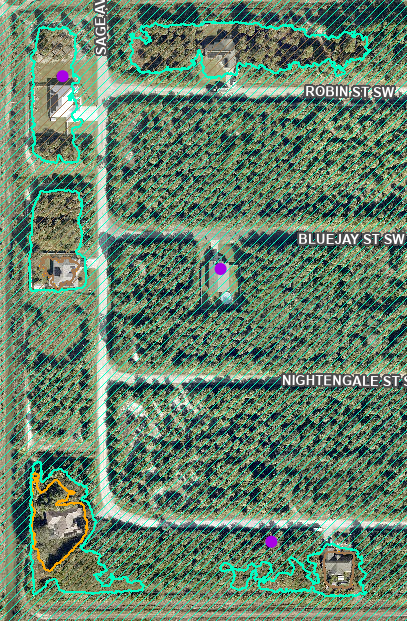
Here's what almost nobody tells buyers about flood zones in Palm Bay: when a home is built on a lot that requires septic, the lot must be raised approximately 4 feet to install the septic system. This elevation typically brings the finished structure completely out of the flood zone — even if the raw lot was mapped as AE.
You can see this clearly on Brevard County's flood maps (image above). Lots that appear in flood zones show the homes built on them as elevated above the flood zone boundary. The construction process itself — the fill required for proper septic installation — solves the flood elevation issue at the same time.
This means a lot mapped as AE is not necessarily a problem. Your builder and the county will confirm the required fill and elevation during the permitting process, and once the lot is raised and the home is built, the structure is typically no longer in the flood zone.
How to Check Flood Zone Before You Buy
- Ask us — We check flood zones on all properties we sell and disclose this information upfront.
- FEMA Flood Map Service Center — Visit msc.fema.gov and search by address.
- Brevard County Property Appraiser — Some flood zone information is included in parcel data at bcpao.us.
- Get an Elevation Certificate — For Zone AE properties, this document shows your lot's elevation relative to BFE and is used by insurance companies to calculate premiums.
Building in Flood Zones — What It Actually Means
Zone X — Standard Construction
No special requirements. Build as normal.
Zone AE — Elevated Construction
The lowest floor (including mechanicals) must be at or above Base Flood Elevation. Common methods:
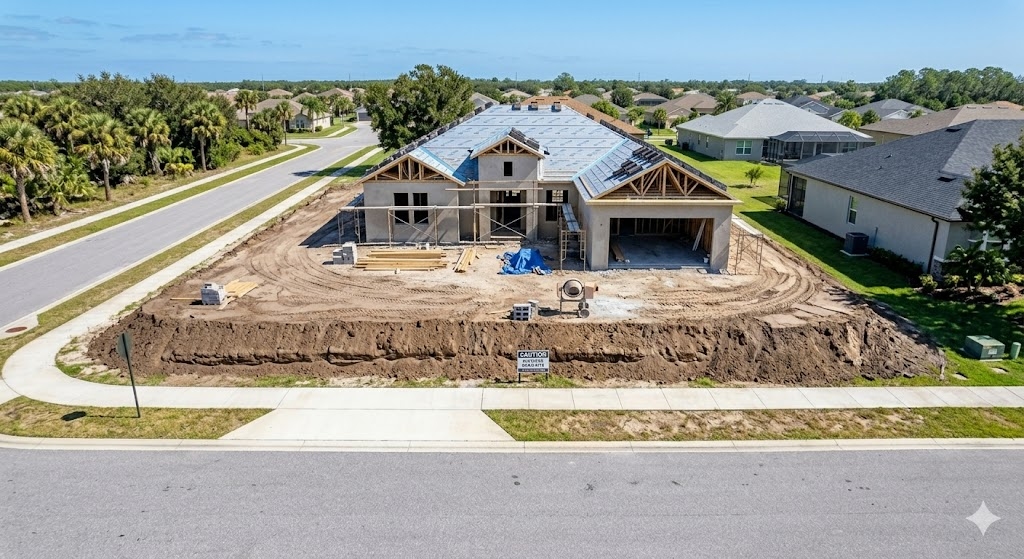
- Fill the lot — Import dirt to raise ground level. Standard practice for septic lots, and as explained above, this process typically removes the structure from the flood zone entirely.
- Build on pilings — Elevate the structure on concrete columns
- Raised slab — Pour an elevated foundation
The key takeaway: elevated construction is a well-established, routine process in Palm Bay. Builders do it regularly. It adds cost, but it also results in a home that sits above flood risk.
Flood Insurance — The Real Picture
| Zone | Required? | Typical Annual Cost |
|---|---|---|
| Zone X | No (but recommended) | $400–$700 if purchased voluntarily |
| Zone AE (well elevated) | Yes (with mortgage) | $1,500–$2,500 |
| Zone AE (at/below BFE) | Yes (with mortgage) | $3,000–$6,000+ |
| Zone VE | Yes (with mortgage) | $5,000–$15,000+ |
For Zone X lots — where the majority of our inventory falls — flood insurance is optional. If you choose to purchase it, it's affordable and covers the unexpected. Florida storms don't always follow flood maps.
Should You Avoid Flood Zone Properties?
Not necessarily. Here's my honest guidance after 20+ years:
- Zone X — No concerns. Buy with confidence.
- Zone AE with good elevation — Can be fine if the price reflects the zone and you budget for the fill during construction. As explained above, the septic installation process typically handles this elevation requirement simultaneously.
- Zone AE at or below BFE — Approach more carefully. Understand the fill requirements and costs before purchasing.
- Zone VE — Generally avoid unless you specifically want waterfront property and fully understand the costs and insurance requirements.
The good news: most Palm Bay residential development is in Zone X, away from rivers and the coast. The lots we sell are overwhelmingly in preferred flood zones.
A Note on Climate Change and Flood Maps
FEMA periodically updates flood maps based on new data. A Zone X property could theoretically become Zone AE in the future, or vice versa. You can view proposed map changes at FEMA's Map Service Center. When buying for long-term hold or development, consider choosing lots that are solidly in Zone X rather than borderline areas.
We disclose flood zone information on every lot we sell. If you want to know the flood zone, elevation, and utility situation on any specific lot before making a decision — just ask. That's what we're here for.
Browse Available Lots | Request a Full Parcel & Flood Zone Report | View All Listings
Or call/text Vahid directly: 321-333-7230
Additional References & Official Sources
- FEMA Flood Map Service Center (MSC) — look up the official flood zone for any address
- City of Palm Bay Growth Management Department
- Brevard County Property Appraiser (BCPAO) — parcel-level flood & elevation data