
One of the biggest factors affecting Palm Bay lot prices is utility availability. But well and septic isn't the inferior option people assume — in many situations, it's actually the smarter choice. Here's the full picture.
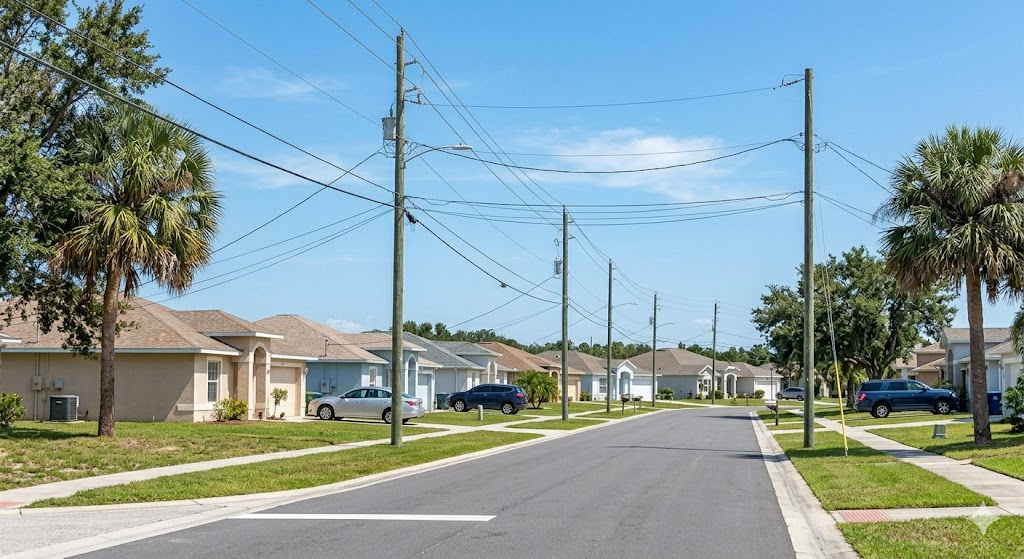
The Great Utility Debate
Lots with city water and sewer typically cost $15,000–$25,000 more than comparable lots requiring well and septic. That premium gets a lot of attention — but the full story is more nuanced than most people realize.
Both options work well. Both have been used successfully by homeowners in Palm Bay for decades. The right choice depends on your budget, your intended use, and your personal preferences. Let's look at both honestly.
Quick Definitions
City Water — Municipal water supply that connects your home to the city's treatment and distribution system.
City Sewer — Municipal wastewater collection that connects your home to the city's treatment system.
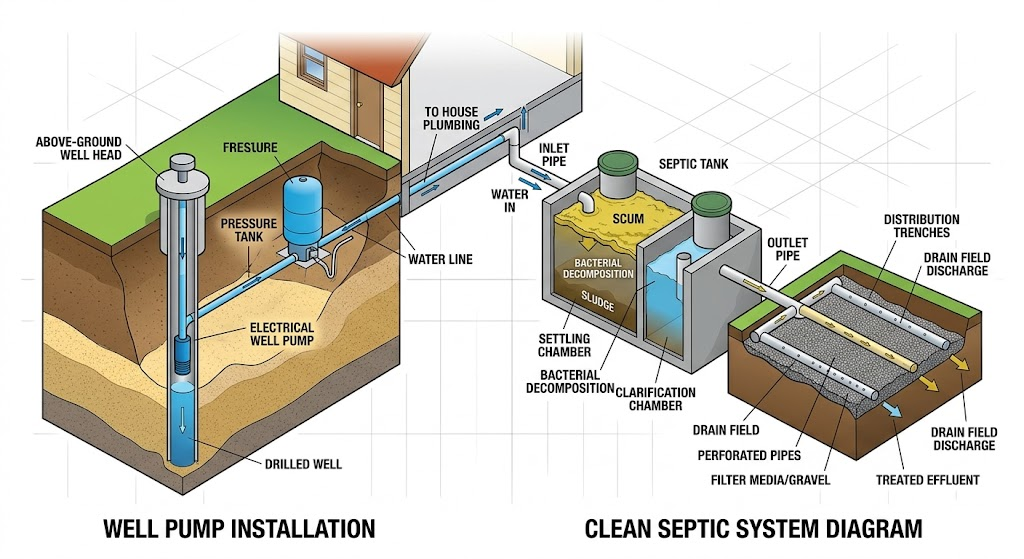
Well — A private water source drilled into the Florida aquifer on your property. You own and control your water supply.
Septic System — An onsite wastewater treatment system consisting of a tank and drain field installed on your property. When properly used, it requires minimal attention and can last for decades.
Cost Comparison
| Item | City Water/Sewer | Well/Septic |
|---|---|---|
| Lot Price Premium | +$15,000–$25,000 | Base price |
| Connection/Installation | $8,000–$13,000 | $13,000–$25,000 |
| Monthly Cost | $80–$150/month | ~$20–$50/month (electric for pump only) |
| Routine Maintenance | $0 (city maintains) | Minimal — follow basic usage guidelines |
| Pumping | N/A | Every 3–7 years as needed: $250–$400 |
The Truth About Septic Systems
Let's clear up some misconceptions. A septic system is not a maintenance burden if you treat it correctly. Here's what "correct use" actually means in practice:
- Use septic-safe detergents (widely available at any grocery store)
- Don't flush items that don't belong — wipes, feminine hygiene products, paper towels
- Don't pour grease or harsh chemicals down drains
- Spread laundry loads throughout the week rather than all at once
That's essentially it. Most Palm Bay homeowners on septic go years — sometimes decades — without a single issue.
Pumping is needed every 3–7 years depending on household size and usage, not annually. Cost is typically $250–$400 per pumping. It's a minor, infrequent expense.
Lifespan — A properly installed and properly used septic system routinely lasts 25–40 years or more. Major repairs are uncommon when the system is used correctly. The "scary" repair costs you might read about elsewhere are typically the result of abuse or neglect, not normal use.
Advantages of City Water & Sewer
- Consistent water quality — Tested and treated to EPA standards
- Higher resale value — Homes with city utilities typically sell faster and for more
- Fire department access — Fire hydrants nearby can lower insurance premiums
- Simpler permitting — Fewer inspections and approvals needed for construction
- No equipment to maintain — No pumps, tanks, or drain fields on your property
Advantages of Well & Septic
- Lower lot cost — Save $15,000–$25,000 on purchase price
- No monthly water or sewer bill — Your only ongoing cost is electricity for the pump, typically $20–$50/month
- Water independence — Not affected by city water restrictions, rate increases, or outages
- No rate increases — City utility rates rise regularly; your well cost stays flat
- Florida aquifer quality — The Florida aquifer provides generally excellent natural water. Many well owners prefer the taste over treated municipal water
- Privacy and control — No city access to your property for utility maintenance
- Lower ongoing costs — Over a 10–20 year period, well and septic owners often come out ahead financially compared to paying monthly city utility bills
Which Should You Choose?
Choose City Water/Sewer if:
- You want maximum resale value and buyer appeal
- You don't want any equipment on your property
- You're building a larger home (septic size requirements increase with bedroom count)
- You're in a developed area where city utilities are readily available
Choose Well & Septic if:
- Budget is your primary concern — lower lot cost plus no monthly bill adds up to real savings
- You're comfortable following basic usage guidelines (it's not complicated)
- You value independence from municipal services
- The lot is in an area where city utilities aren't available anyway
- You're building a modest-sized home (3 bedrooms or fewer)
- You want lower entry costs and are comfortable with periodic pumping every few years
The Reality for Most Palm Bay Buyers
Here's my honest take after 20+ years in this market: for most primary residence buyers, the city water premium is worth it. You'll save on construction (no drilling or septic engineering), avoid future maintenance considerations, and have better resale options.
However, for investors buying multiple lots, budget-conscious builders, or buyers focused on lower entry costs — well and septic lots at $32,000–$40,000 are excellent values. The southwest Palm Bay lots we sell at these prices are solid investments that just require well and septic installation.
Bottom line: Neither option is wrong. Both have served Palm Bay homeowners well for decades. Choose based on your budget, intended use, and personal preference — and don't let inflated maintenance fears push you away from an otherwise great lot.
Browse Available Lots by Utility Type | See Our Full Utility Guide | Ask About a Specific Lot
Or call/text Vahid directly: 321-333-7230